By Rekha Radhakrishnan
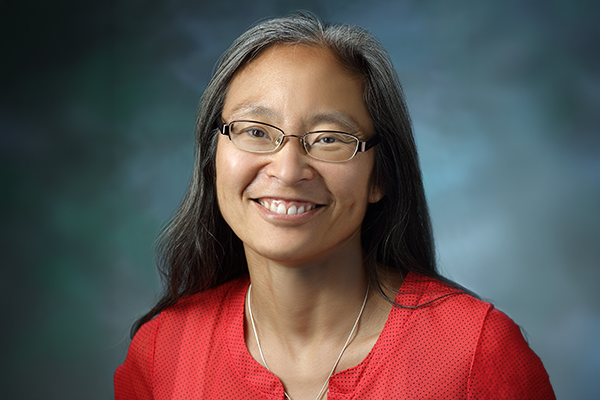
Dr. Chloe Thio has been fascinated by laboratory science and the translation to real-world applications for patients since she was a student. Years of trailing her father at the hospital as he practiced medicine helped her understand patient impact. After doing research in a lab looking at ribosomal RNA in college, she was convinced that she wanted her career to involve both. With the recent National Institute of Health’s $24 million award for a consortium led by Johns Hopkins University and Dr. Thio focused on hepatitis B translational medicine, she is embodying her dual commitments.
The five-year multinational Hepatitis B and HIV Cure Consortium (BICC) is a unique study that is enrolling people living with the major types of chronic hepatitis B virus, including some living with HIV, to understand the virology and immunologic response during treatment to aid the development of a cure for hepatitis B. The interplay of virology, immunology, and host factors is a vital underpinning of this study, and the overall scientific approach is holistic, with a goal of studying the virus through multiple lenses and merging that data, mimicking how a person living with the disease experiences it.
Dr. Thio firmly believes her clinical practice informs her research practice and that they go hand-in-hand “It’s important for me to understand what people who have hepatitis B are thinking about, in terms of treatment, whether they experience discrimination, and their knowledge about the disease. All of this then feeds the research questions that I ask and makes our work stronger with potential for greater impact on communities affected by the disease.”
While hepatitis B has a large global footprint as the leading cause of liver disease and liver cancer with estimates of 300 million people infected worldwide, it has less awareness in the U.S., though it is increasingly coming into focus through conversations about vaccine schedules since the hepatitis B vaccine was historically administered at birth. Dr. Thio hopes the BICC’s work will help fuel greater attention about the disease and increase the capacity of local investigators from countries in the study including Brazil, India, Senegal, Uganda, and the United States, to treat hepatitis B.
Ultimately, Dr. Thio believes the more we understand about how the virus and host interact with each other, the closer we will be to curing hepatitis B. “I started my career looking at host genetics and we know it plays an important role in how a person responds to infections.” Trial participant questionnaires will help researchers understand what people living with the disease want in terms of treatment preferences, and local community advisory boards will further shape the research. This integration of impacted community knowledge with scientific discovery has been the hallmark of Dr. Thio’s career and one that she hopes will end the scourge of hepatitis B across the globe.
